Agree the Scope
Confirm the number and type of items, where they are and anything that has to stay switched on.



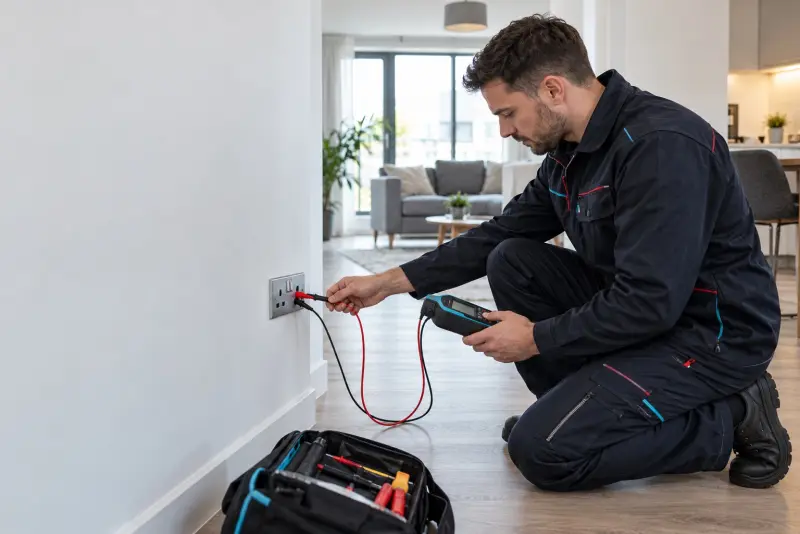
Portable appliance testing · London
Inspection and testing of portable electrical equipment for employers, landlords and site managers, with a clear record of every item checked.
Simply Electrical Contractors
Portable appliance testing is the routine inspection and testing of electrical equipment that plugs in, from kettles and extension leads to computers, power tools and floor polishers. Most faults are found by a careful visual check of the plug, cable and casing, with electrical tests used to confirm what cannot be seen.
There is no fixed legal interval for PAT testing. The law requires that electrical equipment is maintained in a safe condition, and how often it should be checked depends on the type of equipment, where it is used and how hard a life it has. Simply Electrical Contractors can advise on sensible intervals for an office, a workshop or a rented property.
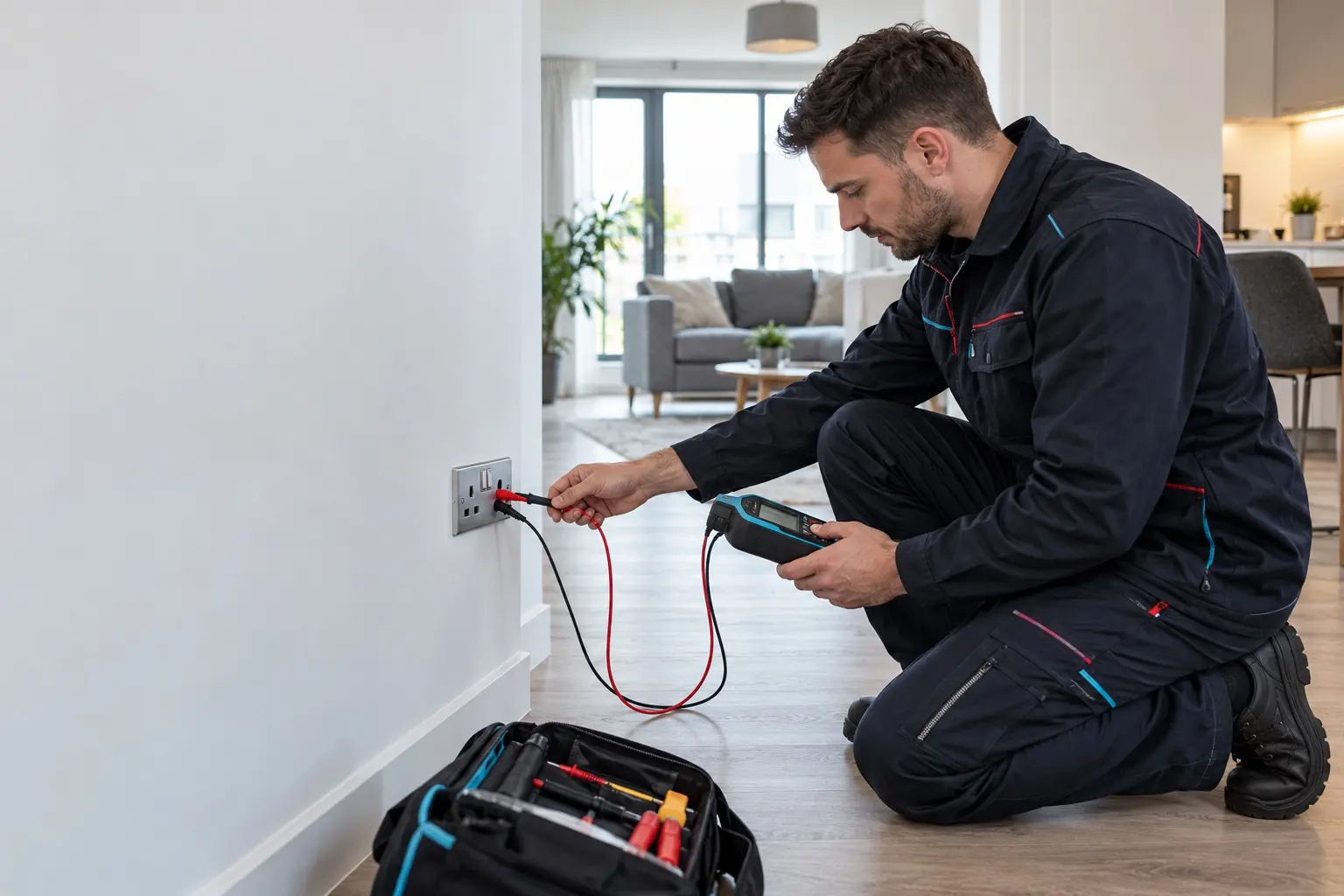
Each item is inspected, tested where appropriate and labelled with the result. Anything that fails is reported straight away so it can be repaired or taken out of use, and you receive a register of the equipment tested to keep with your safety records.
What to expect
Details vary by property and service, but the process is built around assessment, explanation and appropriate testing.
Confirm the number and type of items, where they are and anything that has to stay switched on.
Each item is visually checked and electrically tested where appropriate, then labelled with the outcome.
You are given a record of every item tested, with failures and recommended action clearly marked.
Common questions
For advice about a specific property, contact the team with the postcode and job details.
The law requires electrical equipment at work to be maintained so that it does not cause danger. It does not name PAT testing or set an interval, but regular inspection and testing is a recognised way of showing that equipment is being looked after.
It depends on the equipment and how it is used. Tools on a building site need checking far more often than a monitor in an office. A simple risk-based schedule can be agreed after looking at what you have.
Each item is switched off and unplugged for a short time. Testing can be arranged around opening hours, and computers and servers are only shut down by agreement.
It is labelled as failed and reported to you. Simple faults such as a damaged plug or the wrong fuse can often be put right during the visit; otherwise the item should be taken out of use.